


Back-to-School Checklist for Bluebell Families: Immunizations, Bus Routes, and Supply Drives
From immunization paperwork and new bus stops to free backpack drives, here's what Bluebell families need to handle before the first bell rings.
The first day of school has a way of arriving faster than the summer did. One week you're buying sunscreen, the next you're standing in a school parking lot holding a supply list you can't quite read. The good news for Bluebell families is that most of the scramble is preventable. A few hours of paperwork, one trip to the pediatrician, and a walk to the bus stop can turn a chaotic August into a calm one. Here's what to work through, roughly in the order it matters.
Key Dates to Circle Before the First Bell
Every campus in the district publishes its own calendar, and the dates that matter most aren't always the obvious ones. Open house and meet-the-teacher nights usually land in the week before classes begin, and they're the single best chance to ask questions face to face while the front office isn't yet buried in attendance calls.
Watch for these, too: kindergarten orientation, middle and high school schedule pickup, athletic and marching band practices, and sign-up deadlines for after-school programs. Those after-school slots frequently fill before the first day, not after it. If you're new to the district, call the campus front office directly — the website calendar is often a week or two behind what the staff already knows.
Immunizations: Get the Paperwork Sorted Early
Schools in most states require proof of up-to-date immunizations before a student can attend, and the specific list varies. Commonly required vaccines include those protecting against measles, mumps and rubella, whooping cough, polio, chickenpox and hepatitis B, with boosters due at certain ages. Your state health department publishes the official schedule, and your child's pediatrician can tell you what's actually missing.
Practical steps that save headaches
- Check the record card now. Find the immunization record and compare it against the school's requirements. Gaps are easier to fix in July than on the first morning.
- Book the appointment early. Late summer is the busiest stretch of the year for pediatric offices. Pharmacies and community clinics often offer routine vaccines too.
- Ask for a printed copy. Schools generally need documentation, not a verbal confirmation. Request two copies — one for the school, one for your files.
- If you're transferring in, request records from the old district. Record transfers can take days or weeks, and the clock starts when you ask.
If your family is pursuing an exemption, note that the process is set by state law and typically requires specific forms and deadlines. Start that conversation with the school nurse well before the first day rather than the week of. For anything medical, talk with your child's doctor or the local health department — this article can point you in the right direction, but it can't replace their advice.
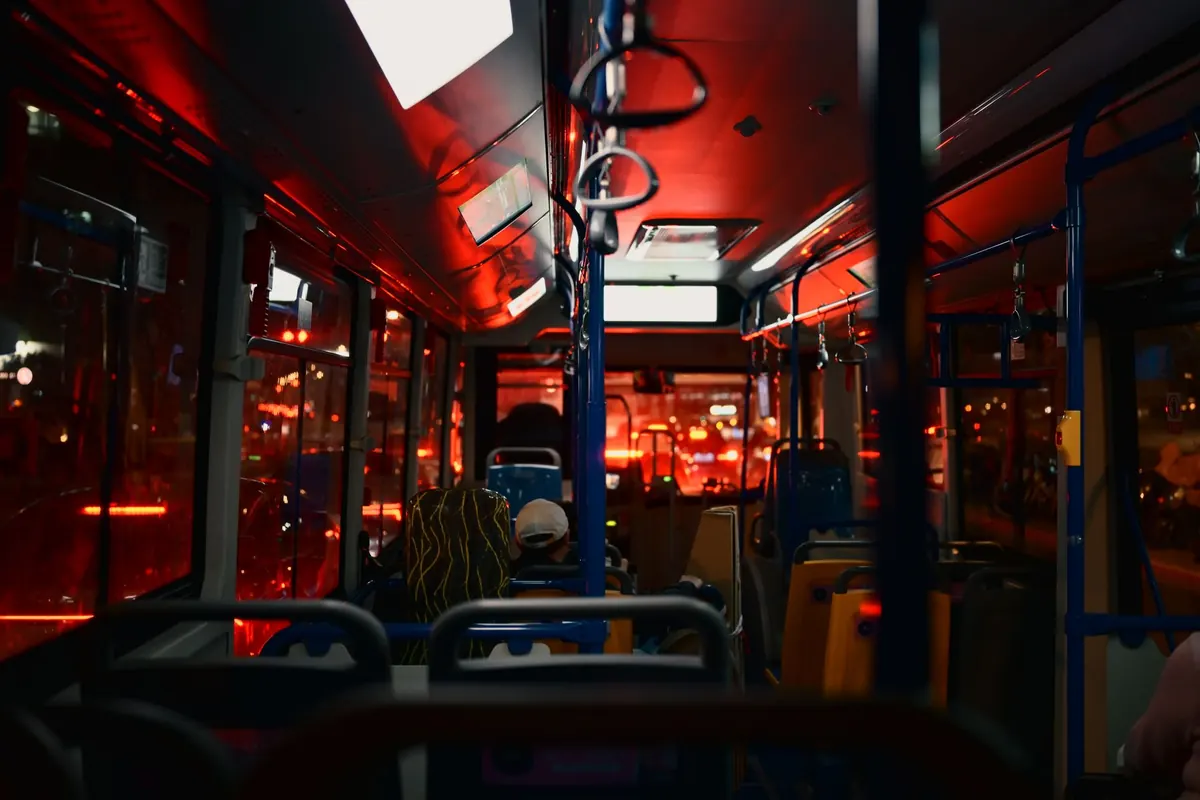
Bus Routes and Bell Times: What Changes This Year
Bus routes get redrawn every summer. New neighborhoods, road construction, driver availability and shifting enrollment all push stops and pickup times around, and a stop that worked last year may sit two streets over now. Confirm your assignment rather than assuming it carried over.
- Log into the district's transportation portal or call the transportation office to confirm your child's stop, pickup time and route number.
- Update your address and contact information with the registrar if anything changed over the summer. Address changes can affect bus eligibility.
- Walk the route with younger children before the first day, and point out the safe crossing spots.
- Sign up for the district's text or email alerts so weather delays and route changes reach you directly.
- Plan for the first week to run late. Traffic around campuses is heaviest in those first few mornings.
One more thing worth knowing: students who live close to campus may not qualify for bus service at all, depending on district policy. The transportation office can confirm eligibility in a single phone call. If your child will walk or bike instead, do a practice run and talk through the route home.
Supply Drives Around Town
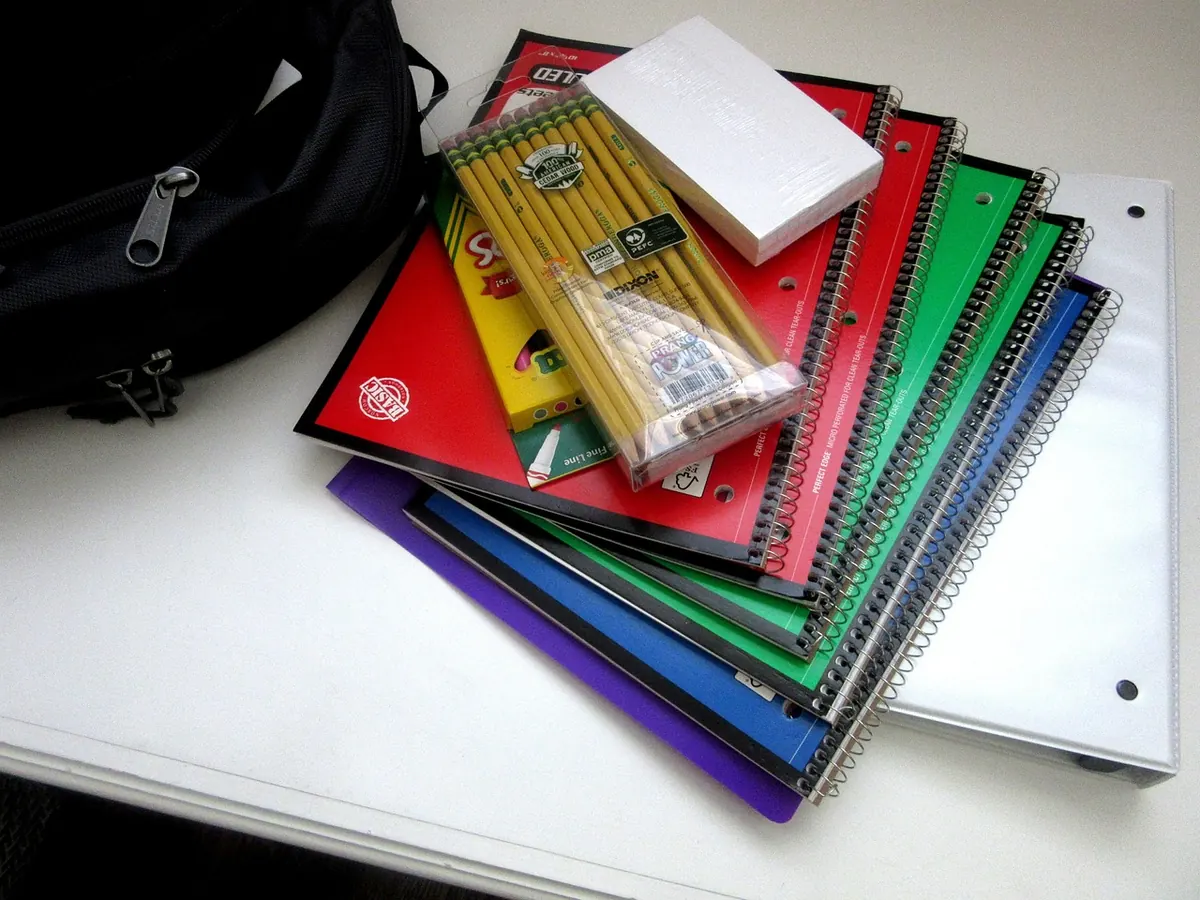
Several community organizations run backpack and school supply drives through the end of the month, usually with drop boxes at the library, the community center, local churches and a handful of downtown businesses. Many of these drives include a giveaway day where families can pick up filled backpacks at no cost.
If you're donating, the items teachers ask for most aren't the flashy ones. Consider:
- Glue sticks, pencils and dry-erase markers
- Facial tissues and disinfecting wipes for shared classrooms
- Headphones or earbuds for computer-based lessons
- Zip-top bags in a couple of sizes
- New socks and underwear in common children's sizes, which food pantries and school counselors rarely have enough of
If money is tight this year, you don't have to explain yourself to anyone. School counselors keep a quiet supply of backpacks and basic materials, and a short email or phone call is usually all it takes. Teachers also frequently accept gently used supplies, and nobody is checking whether the crayons are brand new.
Stretching the Supply Budget
Buy the basics now and the specifics later. Many teachers hand out a detailed classroom list on the first day, and buying every item beforehand often means duplicates. Reuse what you can — backpacks, lunch boxes, scissors, rulers and pencil cases all survive more than one school year with a wash. Label everything with a permanent marker, especially jackets and water bottles, which are the most common items in the lost and found by October. Check whether your state offers a sales tax holiday for school supplies; if it does, it typically falls in late summer and is worth timing a bigger purchase around.
The Night-Before Checklist
Once the paperwork is filed, the shots are recorded and the bus stop is confirmed, the last stretch is mostly logistics.
- Backpack packed and by the door, with the supply list inside
- Immunization and enrollment forms submitted, not just printed
- Bus stop location and pickup time written down for whoever does drop-off
- Emergency contacts and pickup authorizations updated at the school
- Lunch plan decided — packed, purchased or free program
- Clothes, shoes and a water bottle laid out the night before
Expect the first few mornings to be slow. Traffic near campuses is genuinely rough for about a week, and the office staff field hundreds of questions a day during that stretch — being patient with them goes a long way. Then take the photo, hand over the backpack, and let the year start.
Photo: JudyGilmore / Pixabay