Bluebell Summer Concert Series: Full Lineup, Parking Tips, and What to Bring
Bluebell Park's Summer Concert Series returns Fridays from June through August. Here's the lineup, plus parking, seating, food, and weather tips for an easy night out.
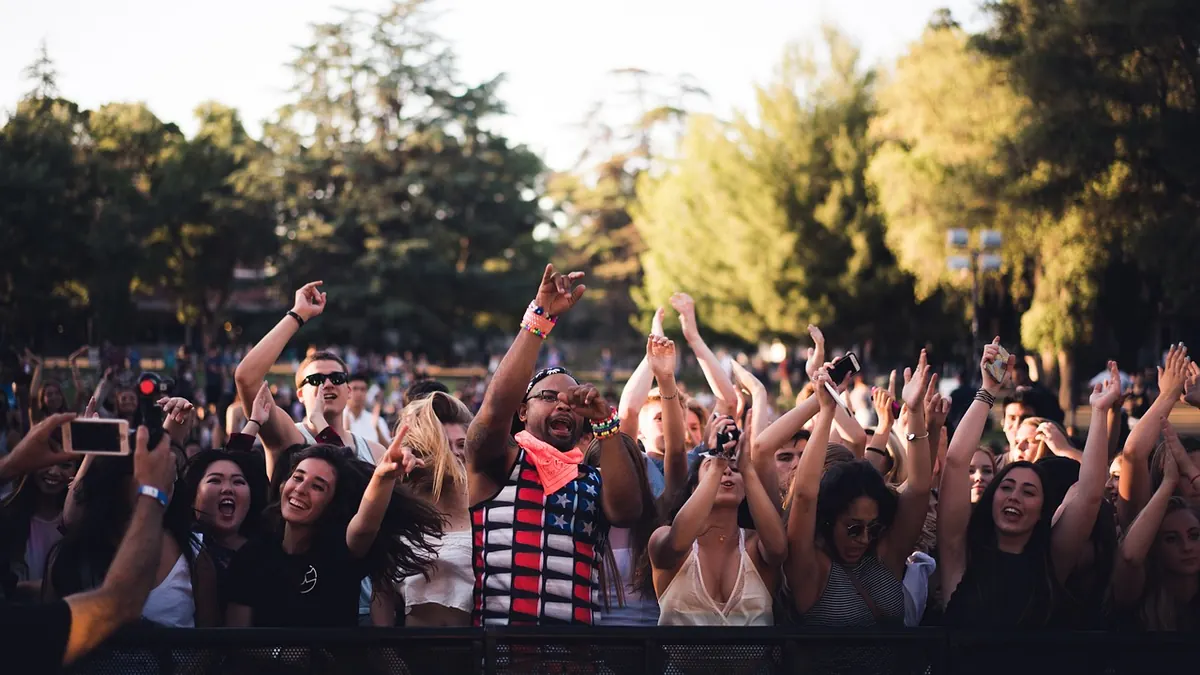
By six o'clock on a Friday in July, the hill behind the Bluebell Park bandstand is already half claimed: quilts squared off with coolers, folding chairs angled toward the stage, kids running the slope before the first set. The Summer Concert Series runs from the second Friday in June through the last Friday in August, and it is still the easiest night out in town. Admission is free. Parking and a decent seat are the two things worth planning for. The rest—the music, the picnic, the slow drift home—takes care of itself.
What makes the series feel like Bluebell's own is the mix of people: retirees who arrive early with lawn chairs, families with toddlers in pajamas, teenagers who drift in after summer jobs, and dogs who seem to know the route to the bandstand by heart. You will see the same faces week to week, and by August the hill feels less like a venue and more like a block party that happens to have a stage.
The Season at a Glance
Concerts begin at 7 p.m., with gates open from 6, and most shows run about ninety minutes. In June and July you will be walking back to the car before dark. By late August you will be glad you brought the jacket you almost left at home. The gates open early so people can claim a spot, grab food, and let kids burn off energy before the music starts. If you arrive after 6:45, you can still find room, but you may be spreading your blanket on the far side of the hill where the sound is a little softer and the view is mostly heads.
The schedule leans on local and regional acts, with the bigger bookings saved for the end of summer:
- June — the Bluebell Community Chorus opens the season, followed by a folk duo and the brass band that has played the bandstand every year since the series began. The chorus usually closes with a singalong, and the brass band's program includes at least one march that grandparents remember from their own summer concerts.
- July — dance-friendly nights: a swing outfit, a soul and Motown tribute, and a Latin jazz group that draws the biggest crowd of the month. The swing night brings out dancers who clear a patch of grass near the front, and the Motown tribute is the one where even the shyest neighbors start tapping a foot.
- August — bluegrass, an acoustic singer-songwriter evening, and the season finale the night before the town fireworks. The bluegrass band has a fiddle player who has been known to step down into the crowd during the last number, and the acoustic night is the quietest of the season—bring a blanket and listen.
Programs are handed out at both gates, and any change to the schedule is posted on the notice board by the library. That board is the first place a cancellation appears. If the weather looks uncertain, check the board before you pack the car; the town tries to announce a decision by 4 p.m. on show days. The library also keeps a stack of season schedules at the front desk, and the same information is included in the town's weekly email bulletin.
Parking Without the Headache
The bandstand sits at the end of Park Row, and the streets closest to it were never built for a few hundred cars. The town's arrangement works well if you use it. The worst mistake is circling Park Row hoping for a spot to open up; you will spend twenty minutes watching other people walk to their seats. The better move is to pick one of the lots below, park once, and enjoy the five-minute walk.
Where to park
- Elm Street municipal lot. Five minutes from the north gate, and the lot that empties fastest afterwards. Enter from Elm Street, not from Park Row, or you will get stuck in the concert traffic. It has about 120 spaces, including four accessible spots near the kiosk.
- Library lot on Third. Smaller, but it usually has space until about 6:30. It is the best choice if you are coming from the south side of town or want to stop at the library's book sale before the show. The walk is flat and paved the whole way.
- Bluebell Middle School lot on Valley Road. The largest overflow lot, with a free shuttle that runs every ten minutes from 5:45 to 7:15 and again for thirty minutes after the show. The shuttle drops you at the south gate, close to the accessible seating area.
- Methodist church lot on Oak Street. Available only when the church has no evening event; look for the yellow "Concert Parking" signs. It is a short block from the west gate, but the driveway is narrow, so large SUVs may prefer Elm Street.
- Street parking on Maple and Willow. Legal after 5 p.m. on concert nights, but read the signs carefully. Some blocks are resident-permit only until 9 p.m., and the town does ticket during the series.
When to arrive and how to leave
If you want a spot on the main hill, arrive by 5:45. The first row of blankets usually goes down by 5:30. If you are coming for the music more than the scene, 6:15 is fine; you will still find space near the top of the slope or along the side path. The north gate is the fastest entrance, but the south gate is better for strollers and wheelchairs because it has a paved ramp instead of the grass slope.
Leaving is easier if you plan for it. The Elm Street lot fills first and empties first, so if you are parked there, you can be on the road within ten minutes of the last song. The library lot is slower because Third Street backs up at the light. The middle school shuttle keeps running for half an hour after the show, which makes it a relaxed option if you are not in a hurry. If you parked on the street, walk against the main flow—most people head toward Park Row, so Maple and Willow often clear from the other direction.
What to Bring
The series is free, but a little preparation makes the night much better. The hill is grassy and uneven in places, so a thick blanket or a low-back chair is worth more than a fancy picnic setup. High-back chairs are allowed only along the outer edge, where they do not block the view for people on the ground. The town asks that you keep the center of the hill for blankets and low chairs so everyone can see.
- Seating: a quilt or tarp for the ground, plus low-back folding chairs if you prefer back support. A small pillow or stadium cushion helps on the slope.
- Layers: even on a hot July night, the air cools quickly after sunset. A light jacket or long-sleeve shirt is useful by the second set.
- Rain gear: a poncho or small umbrella. The show goes on
Photo: bbolender / Pixabay